

Jacob’s Ladder (1990) Explained: Ending, Plot Twist & Every Interpretation
Jacob’s Ladder is one of those films that doesn’t just frighten you – it crawls under your skin and moves in. Adrian Lyne casts Tim Robbins as Jacob Singer, a Vietnam veteran and postal worker in New York whose everyday life is increasingly eaten away by gruesome visions, flickering breaks in reality and nightmarish figures. Elizabeth Peña, Danny Aiello and Matt Craven round out a cast in which no one offers Jacob solid ground – not even the people who love him.
On the surface, the film looks like a psychological horror trip about war trauma, paranoia and a possible conspiracy against former soldiers. But anyone searching for Jacob’s Ladder ending explained quickly arrives at bigger questions: Are the demons real? Is Jacob ill? Was he part of an experiment in Vietnam? Or is this the story of a man who has long been standing on the threshold between life, death and release? Below, we decode the twist, the ending, the demons and every serious way to read this cult classic.
Director: Adrian Lyne
With: Tim Robbins, Elizabeth Peña, Danny Aiello, Matt Craven
Year: 1990 | Genre: Psychological Horror, Mystery, Thriller, Drama
Links: TMDB | IMDb | Encyclopedia entry
What Kind of Mindfuck Is This?
🧠 Category: Limbo / trauma horror / life-and-death threshold 🌀 Twist intensity: 9/10 🔁 Rewatch value: 10/10
Jacob’s Ladder is not a puzzle film in the mathematical sense. Its mindfuck doesn’t come from complicated rules but from a radical shift in perception. Every scene can be read as war trauma, drug experiment, religious vision or the process of dying. That is exactly what makes the film so powerful: it forces us to ask not only what is real, but why Jacob’s reality is falling apart in the first place.
Jacob’s Ladder Ending Explained: What Actually Happens
The central twist of Jacob’s Ladder: Jacob Singer isn’t trapped in New York years after Vietnam – he is actually dying on an operating table in Vietnam. The New York storyline, his visions, the demons, the encounters with friends, doctors and his girlfriend Jezzie are all part of a final inner passage. Jacob is living through a kind of limbo in which trauma, guilt, fear and letting go fight one another.
At the end, Jacob returns to his old apartment and meets his dead son Gabe. The boy leads him up a staircase into warm light. Then we see Jacob in Vietnam, where the doctors pronounce him dead. The finale means that Jacob hasn’t defeated the outside world – he has given up his resistance to death. The demons were never just monsters. They were manifestations of his clinging.
The film hides this resolution by establishing Jacob’s New York life as the present and making Vietnam look like memory. But this reality is porous: subway scenes tip into nightmare, faces blur, hospitals look like torture chambers, and familiar people suddenly behave like strangers. Louis, Jacob’s chiropractor, hands us the crucial key. Paraphrasing Meister Eckhart, he explains that if you are frightened of dying and holding on, you’ll see devils tearing your life away – but if you have made your peace, the devils are really angels, freeing you from the earth. So the twist isn’t just revealed at the end. It is prepared spiritually long before.
The Interpretations: 4 Ways to Read Jacob’s Ladder
Reading 1: Dying as a Passage Through Limbo
The strongest reading sees the film as the portrait of a consciousness in its final moments before death. Jacob dies in Vietnam, but his mind builds an entire reality in which to confront loss, fear and guilt. The New York layer is therefore not a simple dream but a liminal space: a threshold. Gabe’s appearance at the end is no coincidence. He is the emotional key that finally allows Jacob to stop fighting the inevitable.
Reading 2: Vietnam Trauma and PTSD as Horror
Jacob’s Ladder also works as a radical film about war trauma. The demons, the paranoid sense of being hunted and the estrangement from his own body can be read as images of post-traumatic stress. Jacob is a man whose body seems to have arrived in civilian life while his perception is still stuck in the war. Adrian Lyne doesn’t turn this into a sober issue film; he translates trauma into horror. The past doesn’t haunt Jacob as memory – it attacks him.
Reading 3: The Experiment as a False Explanation
An important trail in the film is “The Ladder”, a possible military drug designed to make soldiers more aggressive that spun out of control in Vietnam. At first, this conspiracy layer looks like the final explanation. But it doesn’t explain everything. It gives the viewer a rational anchor, and then the film moves beyond it. The drug can explain how Jacob died – but not the spiritual structure of his last journey. That is the film’s elegance: it offers a cause, but refuses to be reduced to it.
Reading 4: Demons as Angels of Letting Go
The most unsettling idea in the film is that the demons may not be enemies at all. They look terrifying because Jacob refuses to let go. The moment he accepts what is happening, the meaning of the images changes. Hell is no longer a place but resistance. Salvation is not a victory over monsters but the moment Jacob realizes they aren’t torturing him – they are trying to free him from a world he has already left.
How to Decode It: 7 Clues You Probably Missed
- The subway. Jacob’s journey through the city feels like a descent into an underworld. The stations are less transit hubs than antechambers of hell.
- The shaking heads. The famous blurred, vibrating movements of the demons show not just monsters but a reality Jacob’s perception can no longer hold steady.
- Louis the chiropractor. He is the film’s clearest angel figure. His explanation of devils and angels supplies the spiritual grammar of the ending.
- Gabe. Jacob’s dead son stands for the loss Jacob has never processed – and at the same time for the love that makes his passage possible.
- The hospital. The clinic sequences are grotesque, filthy and dehumanizing. They mirror Jacob’s fear of losing control, of bodily decay and of being helpless.
- Jezzie. Short for Jezebel, a biblical name associated with seduction and turning away. She doesn’t simply embody “evil” but Jacob’s attachment to an earthly, bodily life full of desire and fear.
- The staircase. The ladder in the title becomes literal at the end. Jacob doesn’t climb out of a puzzle – he climbs out of his resistance to death.
If You Liked Jacob’s Ladder, Watch These Next
- Stay (2005)A modern borderline-state thriller in which guilt, death and consciousness flow together with the same dream logic.
- The I Inside (2004)Here too, a hospital becomes a threshold between memory, guilt and possible death.
- Donnie Darko (2001)A melancholic mindfuck about sacrifice, the nearness of death and whether a disturbing vision can also mean salvation.
- Shutter Island (2010)Like Jacob’s Ladder, it turns trauma into an entire reality that reveals its true function only at the end.
Hungry for more twists? Browse all 180+ Mindfuck Movies with shocking plot twists explained in the encyclopedia.
Movies manipulate you by design – real propaganda does it for power. Learn how in my Manipulation & Propaganda Encyclopedia, and find captivating true crime stories on Between the Lines.
Love a Good Twist? These Are Mine.
If Jacob’s Ladder fascinates you because an apparently external threat turns out to grow from trauma, guilt and buried memory, my thrillers explore similar depths: characters chasing a conspiracy – and slowly realizing that the most dangerous enemy may lie within.
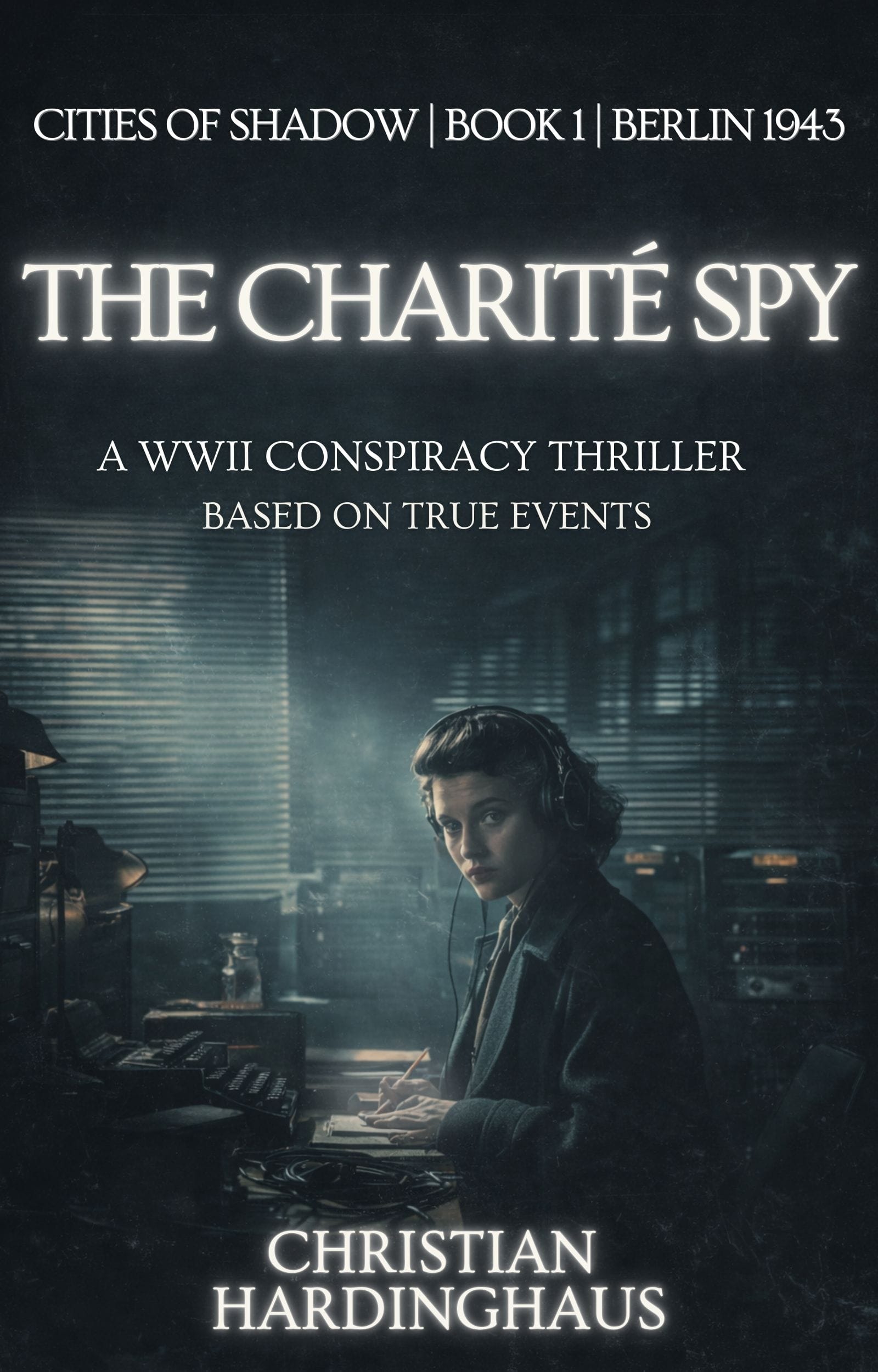
The Charité Spy
WWII spy thriller based on true events – packed with twists nobody sees coming. Part of the Cities of Shadow series.

The Tunnel Beneath the Wall
Berlin Wall thriller, 1961 – betrayal, tunnels and a final twist that recontextualizes everything. Cities of Shadow, Book 2.
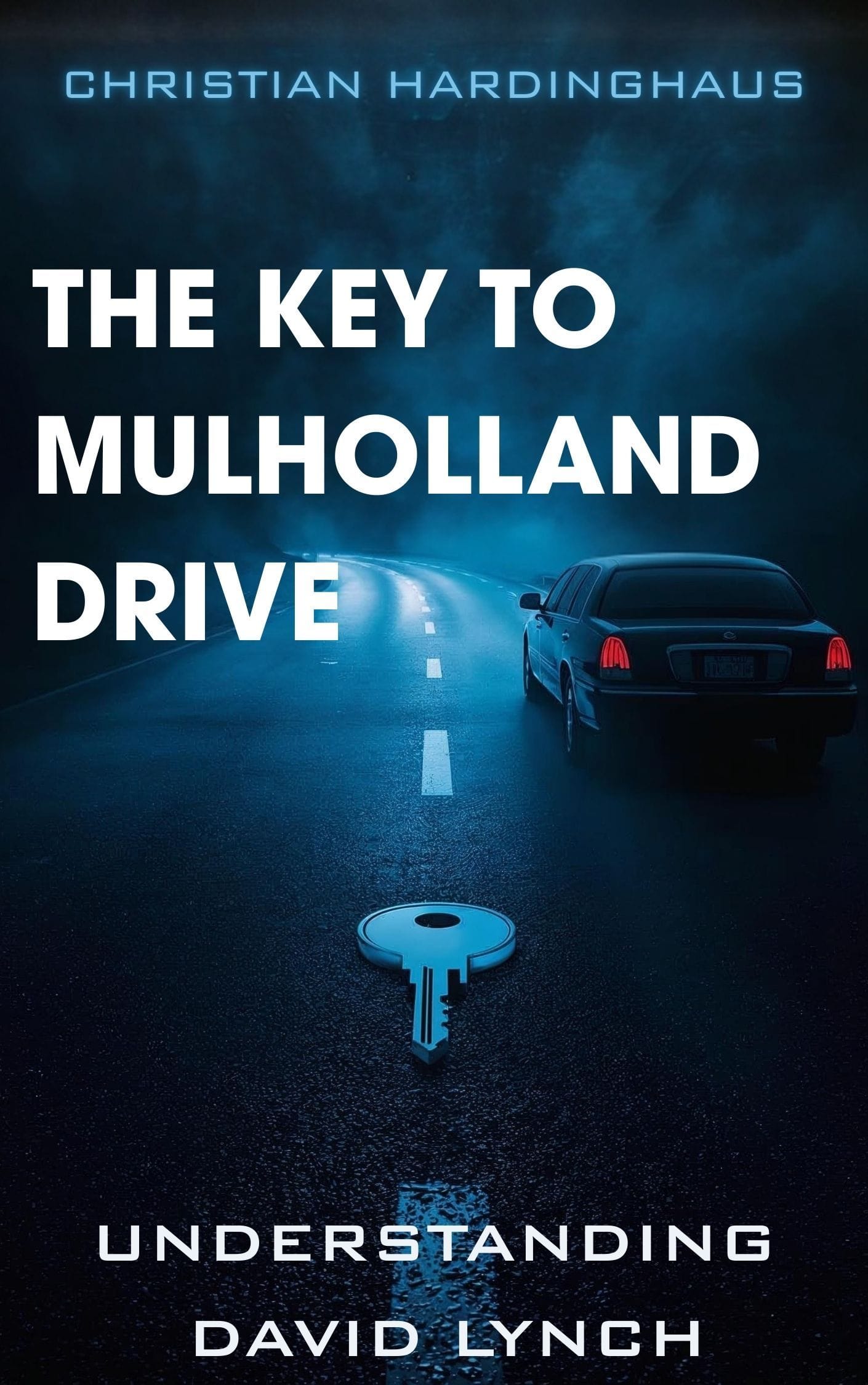
The Key to Mulholland Drive
My full film analysis of David Lynch’s masterpiece – the ultimate mindfuck, finally explained.
Which reading convinces you most: war trauma, drug experiment, purgatory – or all of them at once? Tell me in the comments – and follow the Between the Frames series on Between the Lines if you want to do more than watch mindfuck movies – if you want to truly decode them.